Apple Built Its Own China AI With Alibaba
The Geopolitics of a Custom Training Run
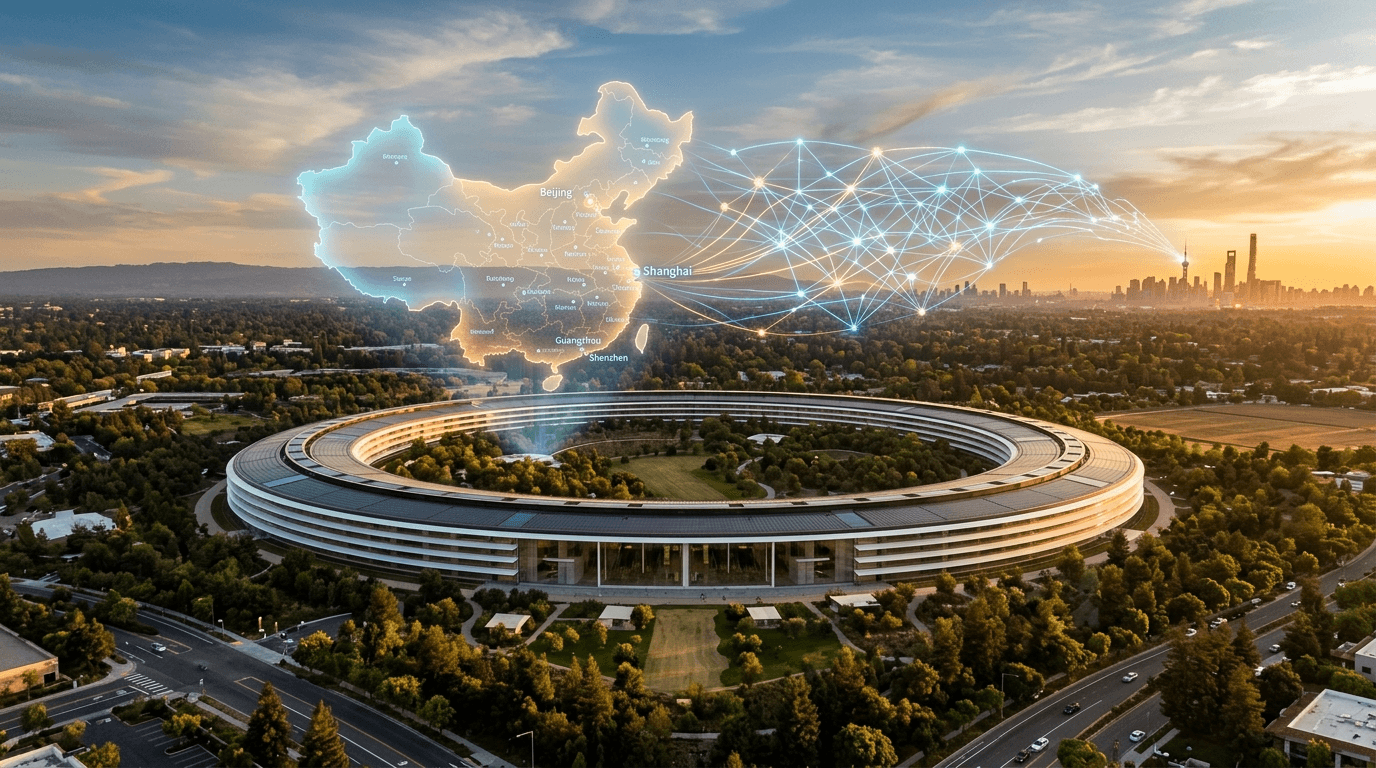
Apple has reportedly trained a custom AI model for the Chinese market alongside Alibaba, a cross-border partnership that cuts directly through the growing tensions between Beijing and Washington. The China-focused large language model was developed with Alibaba's infrastructure and training support, according to three unnamed people familiar with the matter cited by Reuters.
Developing its own model marks a deliberate departure from Apple's previous strategy in China. Historically, Apple leaned on domestic Chinese models like Baidu's Ernie to bring generative AI features to iPhones sold there. The US models it uses everywhere else, including OpenAI's ChatGPT and Google's Gemini, are simply not available in China due to government AI regulations.
The shift makes strategic sense for a company that prizes vertical integration. By building its own model instead of continuing to license third-party AI, Apple gains more control over its product experience in the world's most competitive smartphone market, where domestic rival Huawei has been eating into its share with AI-heavy features.
The First US AI Model Approved in China
If the reports are accurate, Apple would become the first US company approved to offer a proprietary AI model in China. That matters because China's AI regulatory framework requires all generative AI models to be registered with and cleared by the state cyberspace regulator before public release, a process that has blocked or delayed numerous foreign AI services.
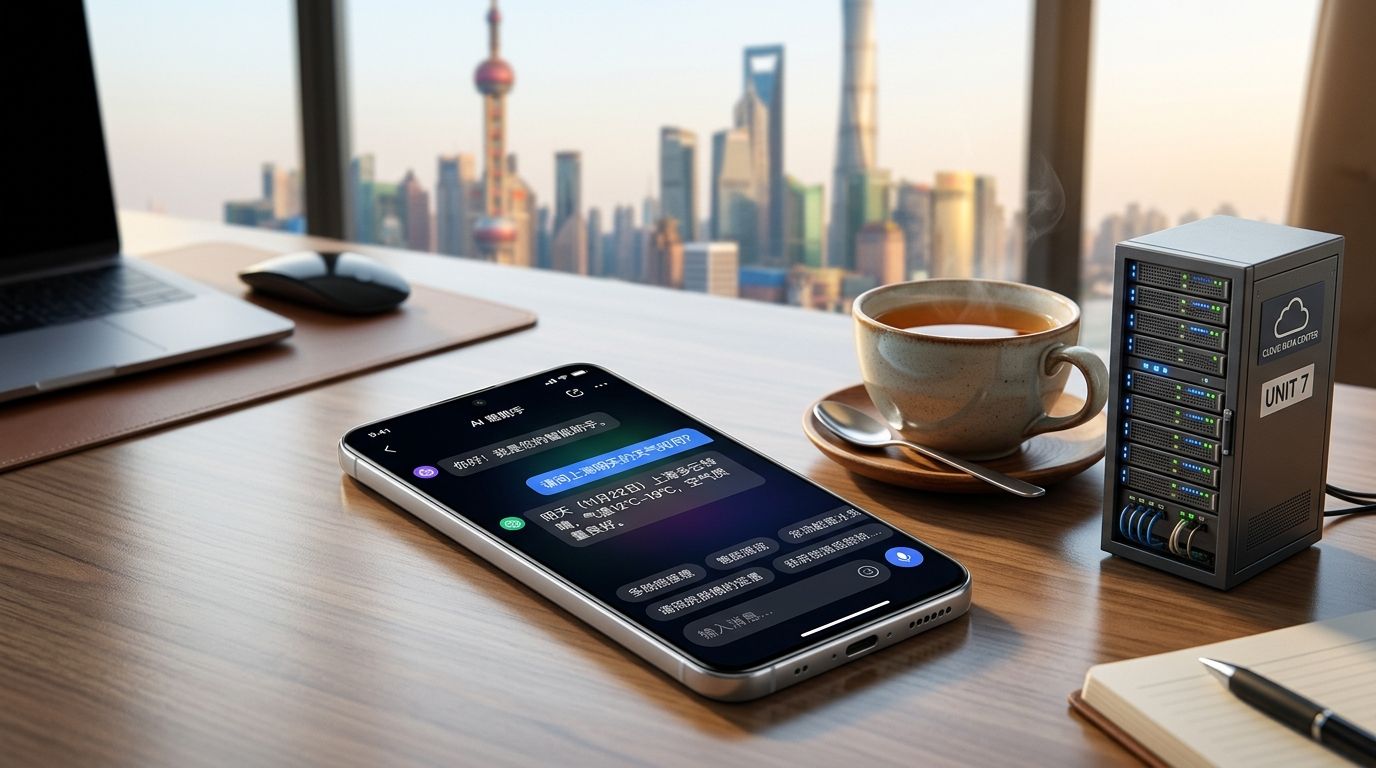
Apple already cleared a major regulatory hurdle last month when it registered its on-device generative AI service with China's cyberspace regulator. Sources told Reuters that Apple Intelligence in China should arrive in the coming months after an iOS system update, bringing features like notification summaries, image generation, and an improved Siri to Chinese iPhone users.
The fact that Apple is doing this with Alibaba specifically is notable. Earlier this month, Apple announced that Mac users in China could connect to Alibaba's Qwen AI service. The new partnership deepens that relationship considerably, moving from a distribution deal to a co-development arrangement with significant training infrastructure requirements.
Why Apple Couldn't Just Import AI
The practical constraints driving Apple's strategy are straightforward. China requires all public-facing AI models to pass a government security assessment and registration process. No major US AI model has successfully navigated this process to date. Apple's workaround - train a domestic model with a domestic partner on domestic infrastructure - is the same playbook other US companies have used in regulated industries from cloud computing to automotive manufacturing.
The approach also gives Apple a competitive answer to Huawei, which has been aggressively marketing its own on-device AI capabilities on the Mate and Pura lines. Huawei's Kirin chips now include dedicated NPU cores, and the company's Pangu AI model runs natively on its devices. Apple's custom China model, paired with its own A-series and M-series neural engines, puts it on more equal footing.
The Uneasy Partnership
Alibaba's involvement is both Apple's solution and its complication. The Chinese tech giant operates its own AI ecosystem, including the Qwen family of models that compete directly with the kind of model Apple is now building. The two companies are simultaneously partners and potential competitors, a dynamic that has historically made US-China tech collaborations fragile.
For now, the partnership works because each side needs something from the other. Apple needs Alibaba's cloud infrastructure and regulatory familiarity to operate in China's AI landscape. Alibaba gains legitimacy and revenue from hosting Apple's training workload, plus the implied endorsement of its technical capabilities from one of the world's most demanding hardware companies.
Neither company commented on the long-term shape of the arrangement, and Reuters' sources stressed that the deal was still taking shape. What is clear is that Apple's China AI strategy has moved from renting models to building its own - and that required crossing a geopolitical line that most of Silicon Valley has been unwilling to touch.
Sources
- The Verge: Apple trained its own AI model for China with help from Alibaba
- Reuters: Exclusive: Apple trains its own AI model for China market with Alibaba's support
- Computerworld: Apple cracks China with Alibaba for iPhone AI
- Benzinga: Apple Makes Major AI Strategy Shift in China, Trains Own LLM With Alibaba
- AppleInsider: Apple has trained its own AI for China rather than using Gemini
- Seeking Alpha: Apple brings Alibaba's Qwen AI model to Mac users in China