Some Kids Will Never Think AI Is Cool. Here's Why That Matters.
"I think it should stand for artificial idiot," a 9-year-old told WIRED recently, explaining why they find AI uncool.
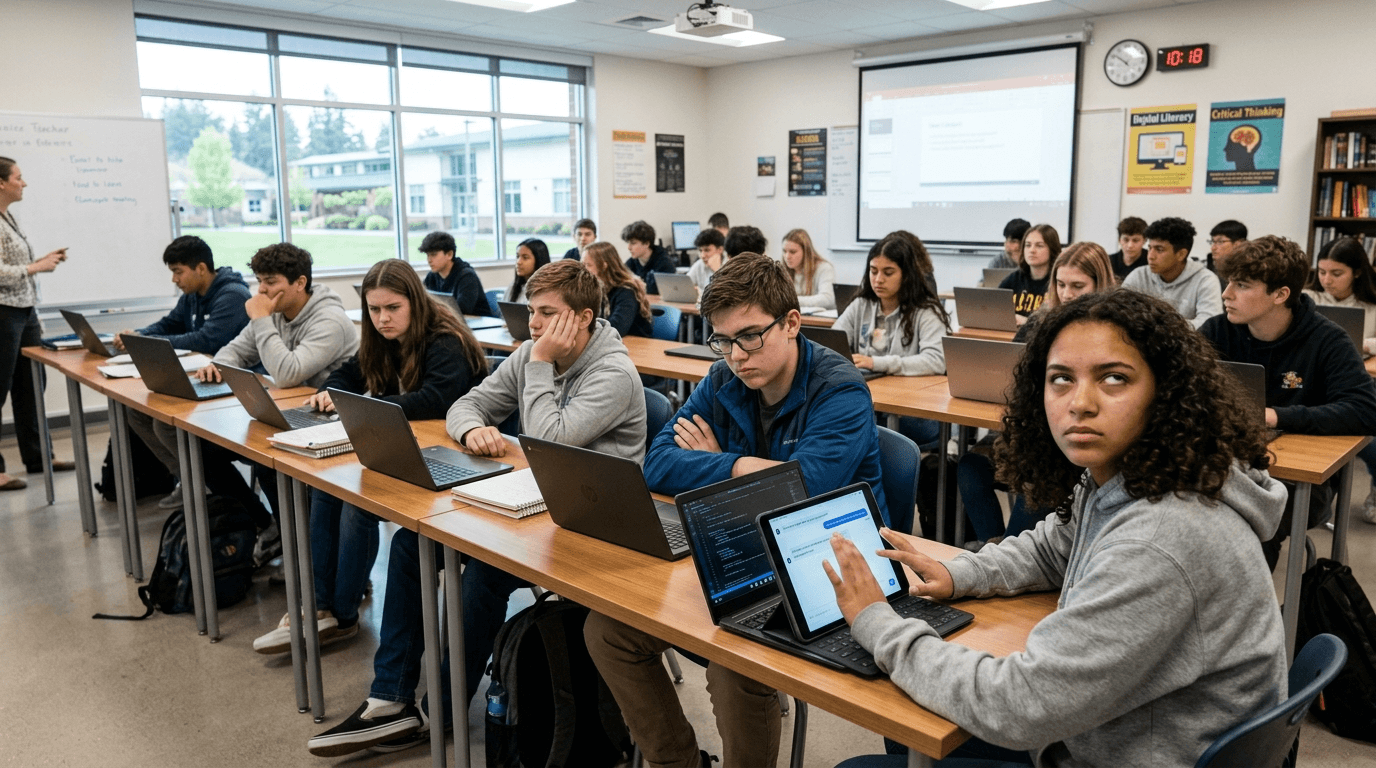
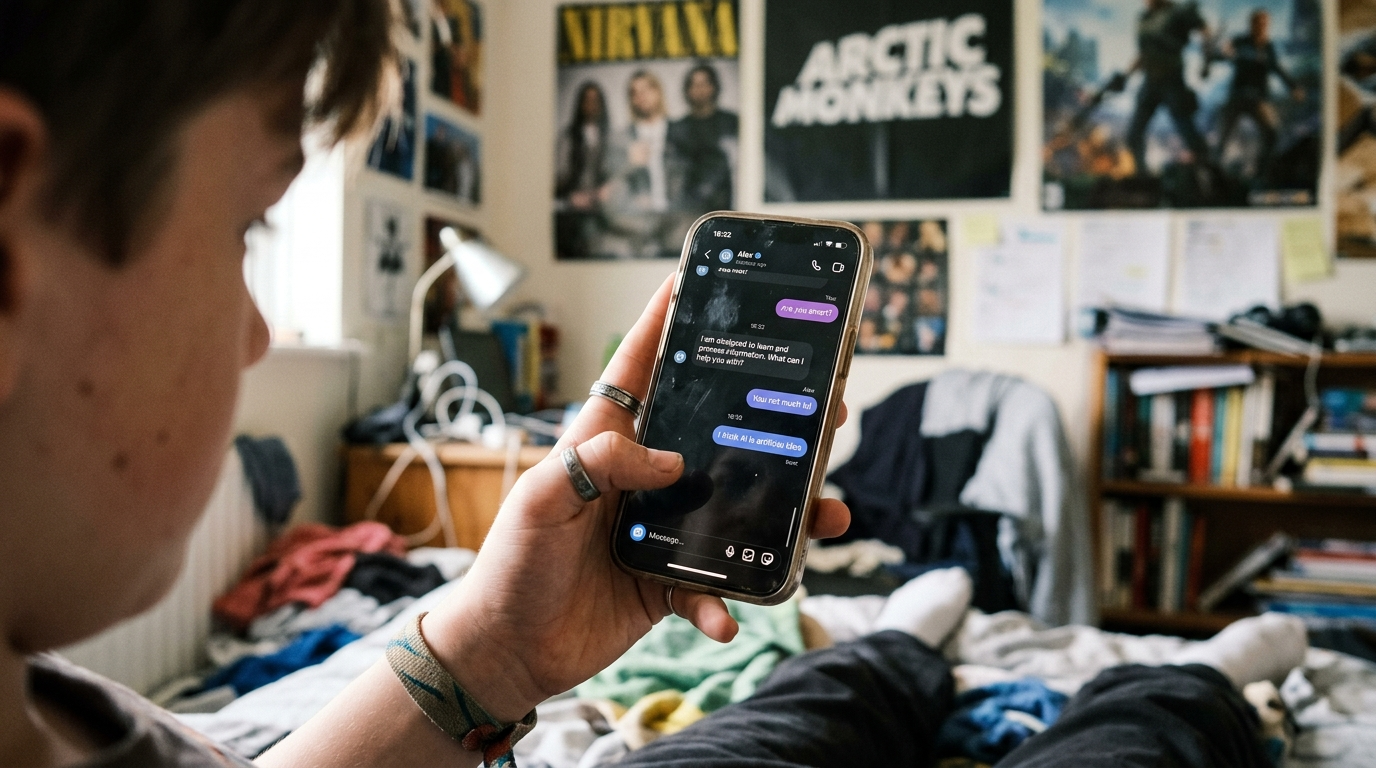
The quote captures a trend that's quietly spreading through classrooms, bedrooms, and social media feeds. In the four years since chatbots went mainstream and their marketing campaigns went into overdrive, young people have grown increasingly skeptical of the hype around large language models. Yes, many of them still use the tech for school assignments and companionship. But the relationship is complicated, and for a growing number, it's openly hostile.
The Data Behind the Eye-Rolls
The numbers paint a picture of deep ambivalence. According to market research firm YPulse, 37 percent of teens aged 13 to 17 cringe when they see AI-generated content like music and videos. More than half worry about misinformation and deepfakes. A Pew Research report from early 2026 found that while many teens think AI will be good for them personally, over a quarter of their cohort believe AI will have a negative impact on society over the next 20 years. They cite job loss, the decline of critical thinking skills, and environmental impacts as their primary concerns.
These aren't the numbers of a generation embracing a new technology. They're the numbers of a generation that has been handed a tool and is now asking pointed questions about what it costs.
The Moral Panic Comes from Within
Young people typically adopt new consumer technology eagerly. Smartphones, social media, streaming — each new platform was greeted with open arms by the demographic that would grow up with it. But AI is different.
Melanie Green, a communications professor at the University at Buffalo, told WIRED that this time, the moral panic is not coming from older generations. In fact, kids are turned off by the way AI is being pushed on them by adults and tech corporations. "They're acutely aware that whatever disruption happens, their generation is going to be bearing the brunt of it," Green said.
On Bluesky, parents bond over their kids' distrust of AI. Many share stories of children coming home and using "that's AI" as a synonym for "that's BS." On Reddit, educators report that even students who use AI tools for homework worry about the consequences and can't stand the art it produces.
The Contradiction: High Usage, Low Enthusiasm
Perhaps the most striking finding is the paradox at the heart of young people's relationship with AI. A majority of American teens report using chatbots regularly. They use them for research, for writing assistance, for coding help, even for conversation. Yet the same teens express deep distrust and dissatisfaction with the technology.
This is not a Luddite rejection. It's a utilitarian relationship with a technology they find morally and aesthetically compromised. They use AI the way adults use social media — aware of its harms, unable to fully opt out, and resentful of the dependency.
What It Means for the AI Industry
If an entire generation grows up viewing AI as fundamentally uncool and untrustworthy, it creates a cultural headwind that no amount of marketing spend can easily overcome. The companies building the next generation of AI products are competing for users who may never be enthusiastic about what they're selling.
The implications extend beyond consumer products. If the next generation of engineers, policymakers, and entrepreneurs enter the workforce with a deep-seated skepticism toward AI, it could reshape everything from regulation to research priorities. A workforce that distrusts its own tools is a workforce that builds differently.
The irony is sharp: the industry spent years worrying about AI safety from a technical perspective — alignment, control, value loading. But the most immediate threat to AI adoption may be simpler: the generation that grew up with it just doesn't like it very much.
Sources
- WIRED — Some Kids Will Never Think AI Is Cool
- Pew Research Center — Teens and AI: Attitudes and Adoption 2026 (report referenced in WIRED article)
- YPulse — Youth AI Attitudes Survey 2026 (data referenced in WIRED article)