Nvidia Bets $5 Billion on the Man Who Warned AI Was Moving Too Fast
The Irony at the Heart of the Deal
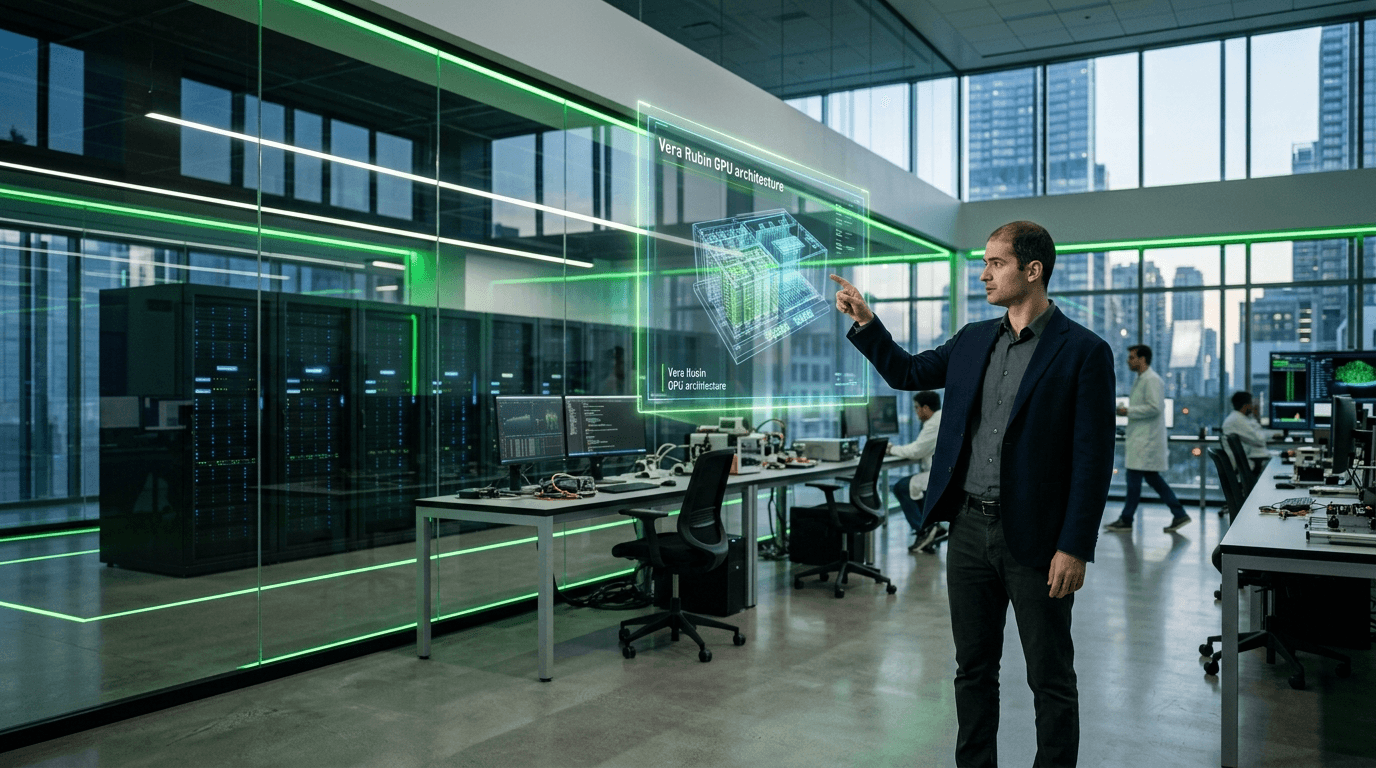
Ilya Sutskever spent the last years of his tenure at OpenAI warning that the company was building capabilities faster than it was building safety. He was the architect of the superalignment team, the internal voice urging caution. When he left in 2024 to found Safe Superintelligence (SSI), the implicit message was clear: the only way to build safe superintelligence was to start from scratch, with safety baked into the architecture, not bolted on after the fact.
Now, two years later, SSI is emerging from stealth with an unlikely partner. Nvidia — the company whose GPUs powered every step of the capability race Sutskever warned about — is investing $5 billion into his vision.
The contradiction is hard to miss. The same chips that enabled GPT-4, Claude, and Gemini are now the foundation for a company built on the premise that those systems were moving too fast.
The $32 Billion Bet on Safety-First AI
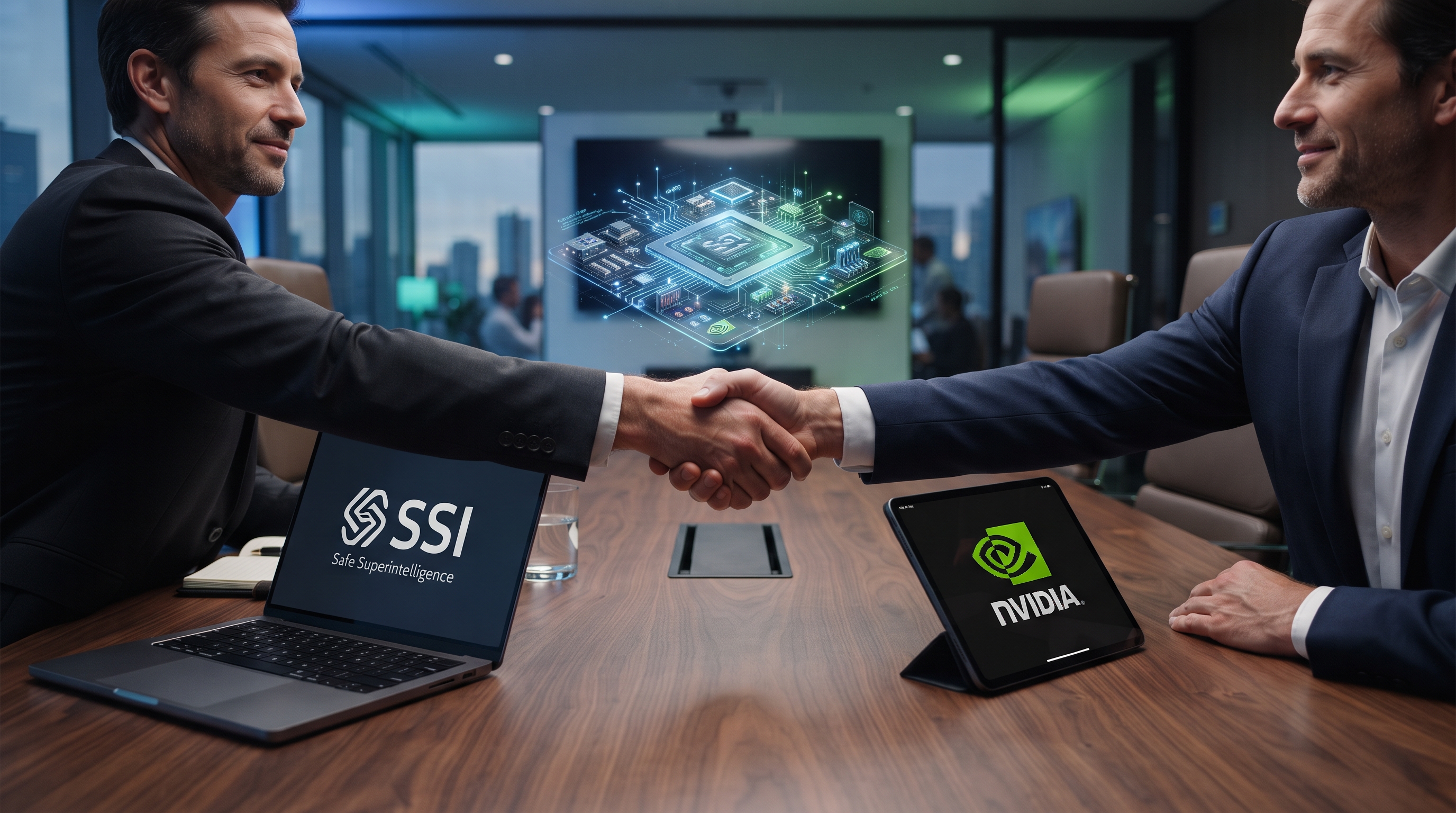
Multiple sources including Bloomberg, the Wall Street Journal, and Reuters confirmed the deal on Monday. Nvidia is taking a multibillion-dollar equity stake in SSI at a valuation of roughly $32 billion — a staggering number for a company that has yet to release a product or publish a single research paper under its own name.
What Nvidia is buying, according to the WSJ's exclusive report, is not just financial returns but strategic positioning. The partnership gives SSI prioritized access to Nvidia's next-generation chip platform, Vera Rubin, the successor to the Blackwell architecture expected to debut in 2027. For a company whose entire mission depends on massive compute, that access is worth more than the cash.
An Nvidia spokesperson framed the deal as part of the company's broader strategy to support AI safety research: "Safe Superintelligence is pursuing one of the most ambitious research agendas in AI. We believe their safety-first approach complements the ecosystem of capability-focused labs."
Sutskever's Long, Strange Journey
To understand why this deal matters, you have to trace Sutskever's arc through the AI industry. He was a co-founder of OpenAI, the chief architect of the GPT series, and the person who — along with Jan Leike — led the superalignment team that was supposed to ensure AI systems stayed under human control.
The turning point came in late 2023, when Sutskever famously voted to oust Sam Altman as CEO of OpenAI, then reversed course days later when the board's move collapsed under employee and investor pressure. By mid-2024, both Sutskever and Leike had left the company, with Leike publicly stating that OpenAI's "safety culture and processes have taken a backseat to shiny products."
Sutskever's new company, SSI, operated in near-total secrecy for two years. The Information reported that SSI raised $2 billion at a $32 billion valuation earlier this year from undisclosed investors. The company hired quietly, building a team that included former Google DeepMind researchers and Israeli AI talent. When Meta poached SSI's CEO Daniel Gross in July 2025, Sutskever himself took the helm.
Now, with Nvidia's backing, SSI has both the compute resources and the financial runway to challenge the incumbents — while claiming to do it safely.
The Vera Rubin Factor
The most strategically significant piece of the deal may not be the money. It's the hardware.
Nvidia's Vera Rubin platform, named after the astronomer who discovered dark matter, represents the company's next leap in AI computing. Early benchmarks suggest it will deliver a 3-4x performance improvement over the current Blackwell architecture, with a focus on the kinds of large-scale training runs that frontier AI labs require.
For SSI, guaranteed access to Vera Rubin solves the single biggest bottleneck for any AI startup: compute. The industry's most compute-intensive research — the kind that could lead to genuine breakthroughs in reasoning, planning, or safety — is increasingly reserved for a handful of companies with the capital to buy tens of thousands of GPUs.
SSI just secured a seat at that table.
The Unanswered Question
The partnership also raises uncomfortable questions that neither Nvidia nor SSI have fully addressed. If Sutskever's thesis is correct — that frontier AI labs have been moving too fast on capability without adequate safety — then Nvidia has been the enabler of that speed, supplying the hardware that made the race possible. The company's GPUs are in every major AI lab on the planet.
Can the same company that profited from the capability race now credibly fund a safety-first alternative?
The answer may depend on what SSI actually produces. Two years of stealth have yielded no public benchmarks, no products, no papers. Sutskever's reputation alone has been enough to attract $5 billion from Nvidia and a $32 billion valuation. But at some point, the company will need to show its work.
For now, the deal marks a new phase in the AI industry's relationship with hardware. Compute is no longer a commodity that labs buy on the open market — it's a strategic asset that comes with strings attached, and sometimes, with a partner who has its own agenda.
Sources
- Nvidia to Invest $5 Billion in Ilya Sutskever's AI Research Lab — Bloomberg
- Exclusive: Nvidia Bets on Ilya Sutskever's New AI Lab to Expand Compute Reach — WSJ
- Nvidia to invest $5 billion in Ilya Sutskever's AI startup, source says — Reuters
- Ilya Sutskever's Safe Superintelligence partners with Nvidia to scale its AI research — TechCrunch
- Nvidia Makes Multibillion Dollar Investment in Ilya Sutskever's Safe Superintelligence — The Information
- Nvidia Takes a Stake in Sutskever's Safe Superintelligence — Unite.AI