Nvidia Bets $5 Billion on Ilya Sutskever's Safe Superintelligence — and Pulls SSI Off Google Chips
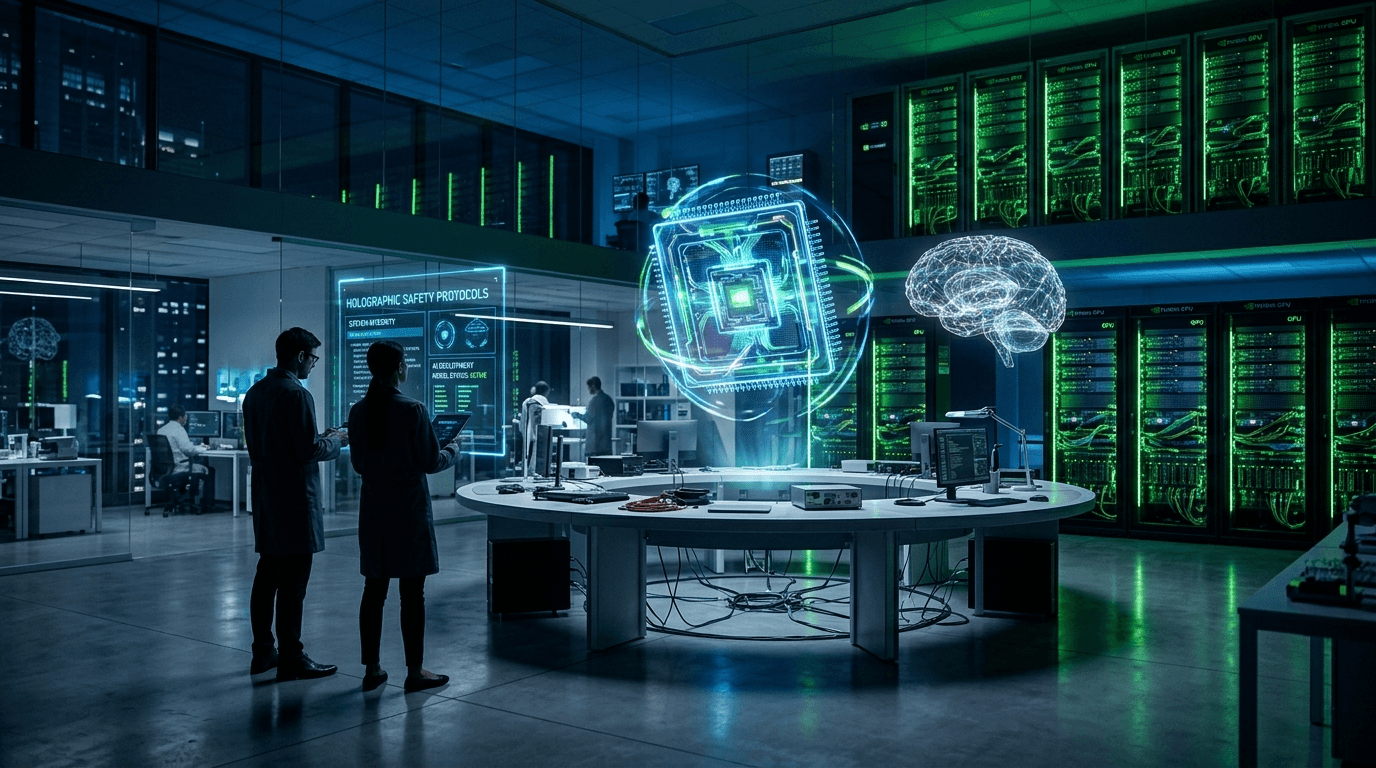
They call it safe superintelligence. But the deal that just brought it to life is pure, unfiltered hardware politics.
Nvidia is investing approximately $5 billion into Safe Superintelligence (SSI) — the AI research lab founded by Ilya Sutskever, OpenAI's former chief scientist and co-founder. The deal, announced Monday, gives Nvidia a strategic stake in one of the most secretive and ambitious AI safety labs in existence. More importantly, it pulls SSI away from Google's Tensor Processing Units and onto Nvidia's upcoming Vera Rubin GPU platform.
For Sutskever — the man who helped build the architectures behind modern deep learning, then left OpenAI citing safety concerns — the partnership solves the single biggest problem facing any frontier AI lab: compute at planetary scale. For Nvidia, it locks in a customer that plans to spend billions on chips before it has even released a product.
The $5 billion safety bet
The investment values SSI at approximately $32 billion, sources familiar with the deal told Bloomberg, Reuters, and the Financial Times. That's a staggering valuation for a company that has not released a single commercial product and operates in near-total secrecy about its research direction.
But SSI is not a normal startup. Sutskever co-founded OpenAI in 2015, led the team that developed the GPT series and DALL-E, and was instrumental in the technical breakthroughs that made large language models possible. When he left OpenAI in 2024 to found SSI alongside Daniel Levy and Daniel Gross, he took with him not just a reputation, but a philosophical conviction: that the path to superintelligence requires safety research baked in from the start, not bolted on after deployment.
The $5 billion investment is Nvidia's largest single bet on a single AI lab. It reportedly came after SSI demonstrated "secret research" to Nvidia's leadership — enough to convince the chipmaker that Sutskever's team is on a trajectory that needs the most advanced hardware available.
Vera Rubin: the real prize
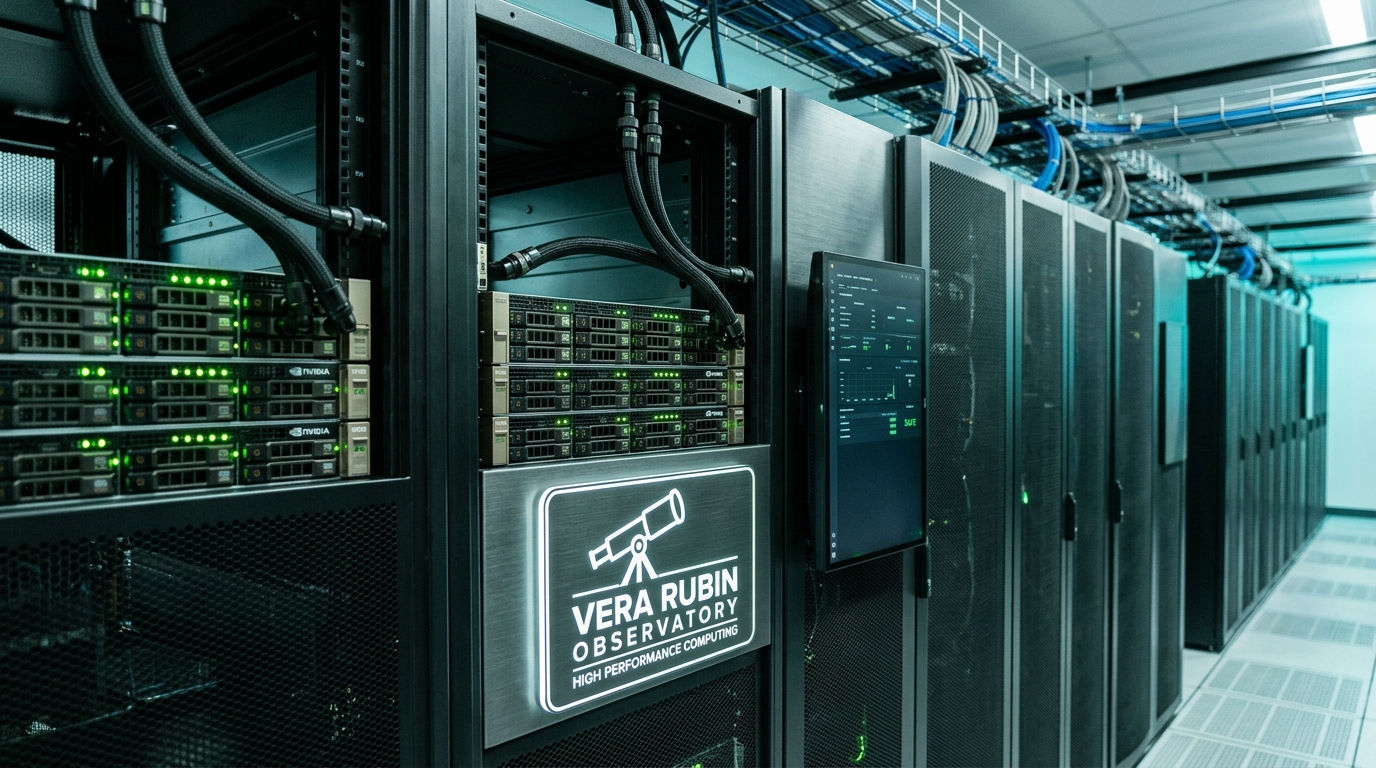
The partnership includes access to Nvidia's Vera Rubin platform, the chipmaker's next-generation GPU architecture named after the astronomer who discovered dark matter. For SSI, this means skipping the GPU shortage scramble that has plagued every other frontier AI lab. For Nvidia, it secures a flagship customer for Vera Rubin before the architecture has even shipped at scale.
The strategic significance extends beyond hardware. By pulling SSI away from Google TPUs, Nvidia weakens Google's cloud AI ecosystem at its high end. TPUs were designed specifically for the TensorFlow/PyTorch workloads that dominate modern AI training, and losing a high-profile lab like SSI to the GPU ecosystem is a symbolic — and financial — loss for Google Cloud.
Data Center Dynamics reported that SSI will "substantially increase" its GPU compute through the deal, suggesting the $5 billion figure is just the beginning of a long-term spending commitment.
The safety question
The partnership creates an ironic tension that Sutskever himself would likely appreciate. The lab dedicated to building safe superintelligence is now tied to the company that profits most from selling ever-faster, ever-bigger hardware. Nvidia's GPUs power the very arms race in AI capability that safety researchers warn about — and now they're also powering the lab trying to solve that problem.
SSI has not disclosed its research methodology or any safety benchmarks. The company operates with a level of secrecy unusual even for AI labs, publishing no papers and giving few interviews. Critics argue this opacity contradicts the transparency that safety research requires. Supporters counter that truly transformative safety work — especially work that could be misused — benefits from being developed outside the public spotlight.
What this means for the AI landscape
The deal signals that the era of nine-figure compute investments is giving way to something larger. Recursive Superintelligence committed $410 million of its raise to AWS compute on the same day the Nvidia-SSI deal was announced. The message is clear: frontier AI is becoming a capital game where access to hardware is as important as access to talent.
For Google, the SSI loss is a reminder that TPU exclusivity is hard to maintain when Nvidia controls the GPU supply chain that every researcher wants. For the broader industry, it raises a question: if the world's most prominent safety lab needs a hardware partner to survive, what does that say about the independence of AI safety research?
SSI declined to comment on the specific terms of the deal. Nvidia referred to the joint press release announcing the "long-term strategic partnership."
Sources
- Nvidia to invest $5 billion in Ilya Sutskever's AI startup - Reuters
- Nvidia to Invest $5 Billion in Ilya Sutskever's AI Research Lab - Bloomberg
- Exclusive: Nvidia Bets on Ilya Sutskever's New AI Lab to Expand Compute Reach - WSJ
- Ilya Sutskever's Safe Superintelligence partners with Nvidia - TechCrunch
- Nvidia invests in Ilya Sutskever's AI lab, shifting SSI away from Google chips - The Decoder
- Nvidia to invest $5bn in Safe Superintelligence - Data Center Dynamics
- Ilya Sutskever's Safe Superintelligence raises $5 billion from Nvidia - calcalistech
- Ilya Sutskever's Safe Superintelligence Inc. and NVIDIA Announce Long-Term Strategic Partnership - GlobeNewswire
- Nvidia bets $5bn on Ilya Sutskever's AI breakthrough - Financial Times