DeepMind's Autonomy Ends, Hassabis Exits
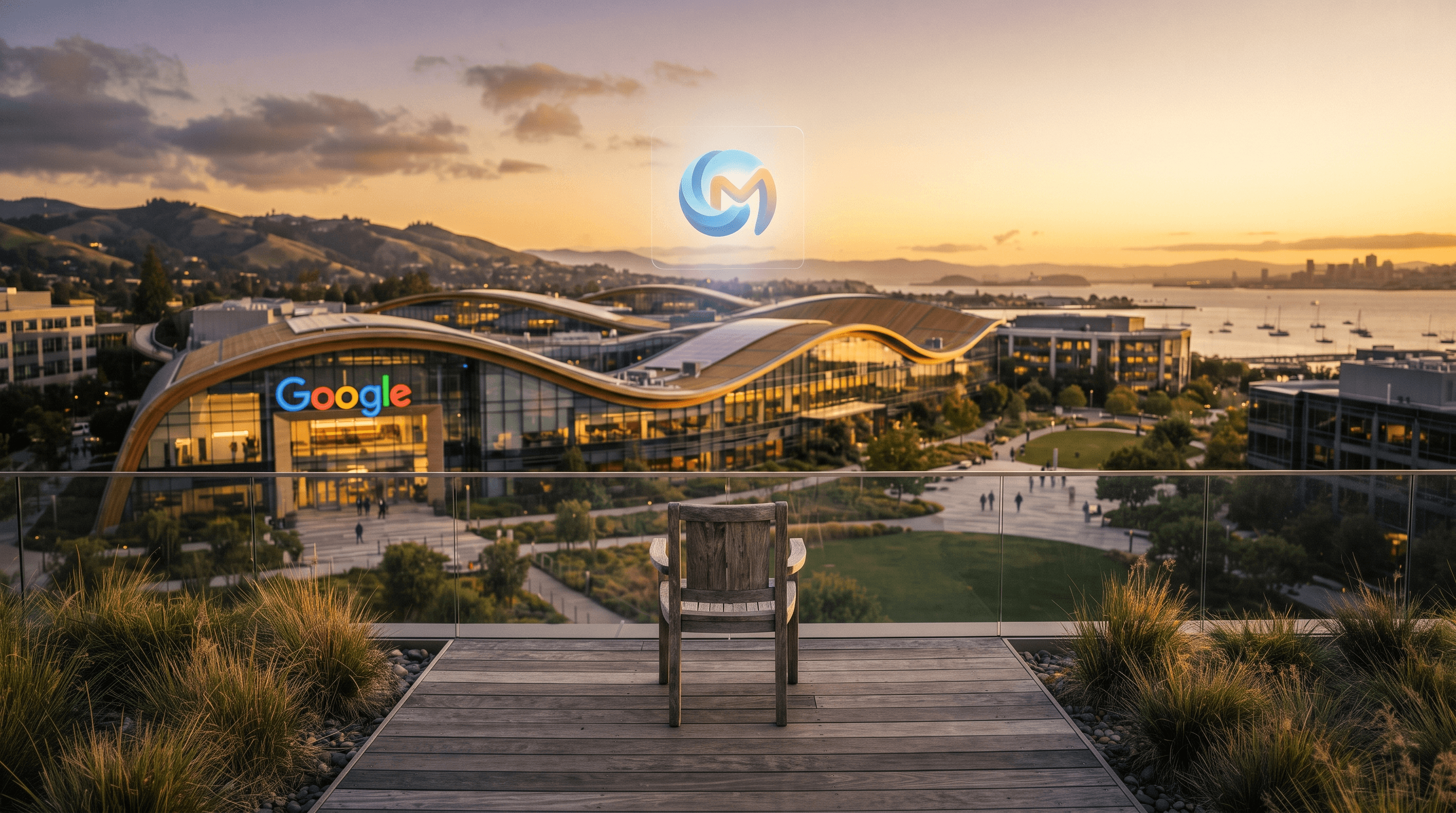
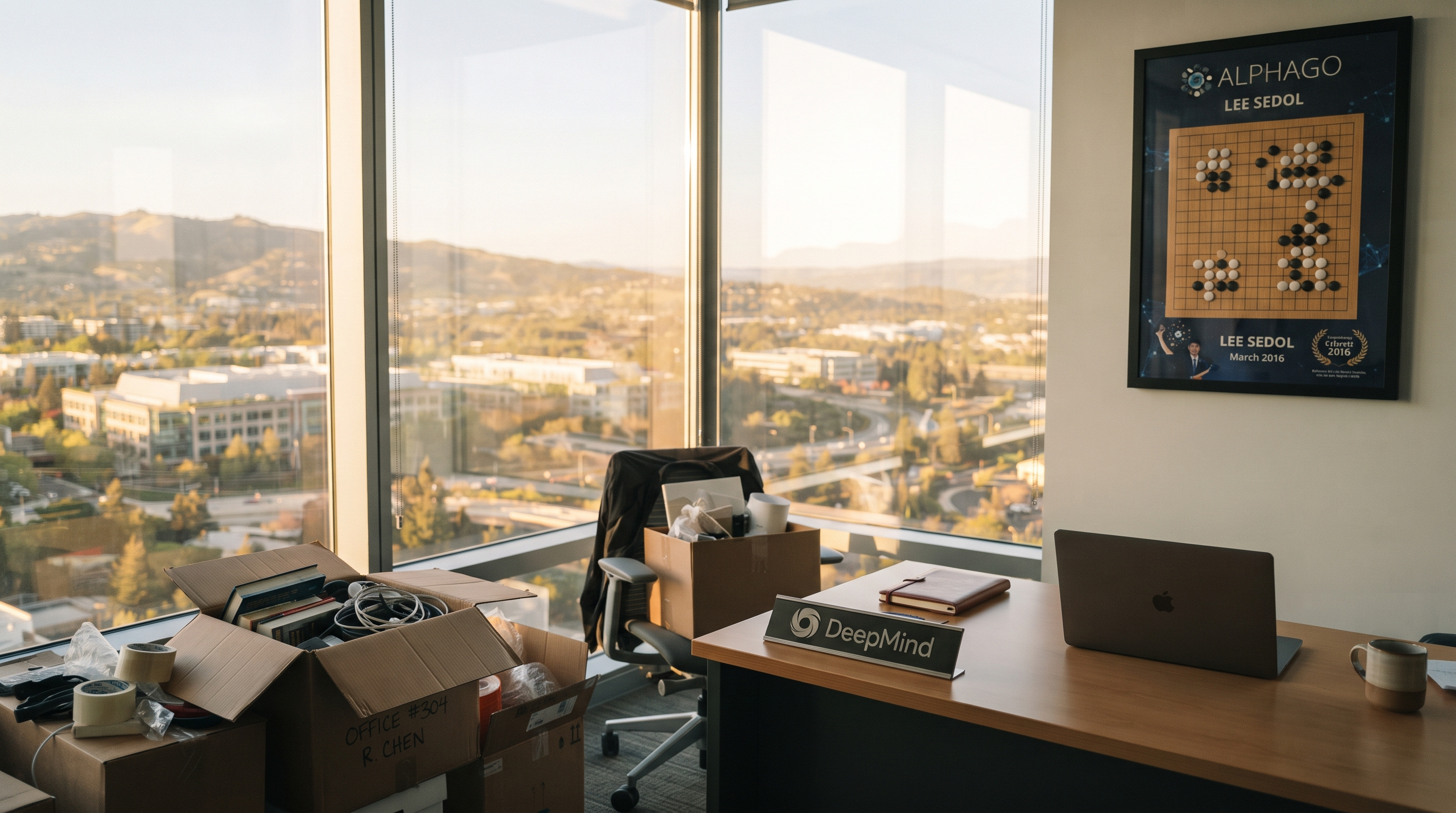
The lab that started the modern AI revolution no longer has its own CEO.
Google DeepMind, the acquisition that brought Demis Hassabis and his team into Google in 2014, is being quietly dismantled as an independent entity. Founder Demis Hassabis has stepped down from the CEO role, transitioned to a chairman position -- and multiple reports suggest he is preparing to leave Google entirely in the coming months.
A former Google manager told The Guardian that "the era of DeepMind as an independent actor is over." A current DeepMind employee now calls the lab "just another subdivision" of Google. The operational shift is stark: Koray Kavukcuoglu will handle day-to-day leadership from the Bay Area, but without a CEO title. DeepMind no longer has its own chief executive.
The End of the DeepMind Era
When Google acquired DeepMind in 2014 for around $500 million, it secured what many considered the most talented AI research lab in the world. DeepMind produced AlphaGo, AlphaFold, and foundational advances in reinforcement learning. The deal came with a unique structure: an independent board and a commitment that DeepMind's technology would never be used for surveillance or military applications.
That structure has eroded gradually over the years. The 2023 merger with Google Brain into "Google DeepMind" was the first major signal. Now, with the founder leaving and the CEO title eliminated, the independence is effectively over.
According to Pathfounders, Hassabis wanted to leave at the same time as Jeff Dean's departure earlier this year, but Google feared an even steeper stock drop. Instead, the company orchestrated a phased transition: a promotion to chairman that smoothes the path for a clean exit. Hassabis plans to spend more time on his scientific work and Isomorphic Labs, the pharmaceutical AI startup he founded under DeepMind's umbrella.
Two Readings of the Same Move
Industry analysts are split on what this restructuring actually means for Google's competitive position.
The bear case comes from SemiAnalysis, which argues that Google is retreating from frontier AI research just when it matters most. They compare Google to IBM retreating from the PC business into mainframe consulting, or Intel giving up bold investments to protect its legacy business. Both turned out to be mistakes. In this reading, Google had advanced AI systems long before ChatGPT but failed to ship them, and the restructuring doubles down on a risk-averse culture. Gemini's annualized revenue of $12 billion in Q2 2026 looks respectable until you compare it to what Google Cloud is projected to earn: over $73 billion in AI infrastructure revenue and $120 billion in TPU sales by end of 2027. Short-term cloud profits may be crowding out long-term model leadership.
The bull case comes from Web 2.0 inventor Tim O'Reilly, who argues in his Substack "Asimov's Addendum" that Google is deliberately running a different race. In major technology shifts, O'Reilly observes, the winners are not the inventors but the ones who spread the technology. His go-to example is Thomas Edison, who built the light bulb, versus George Westinghouse, who built the electrical grid that brought it to everyone. Google, in this reading, is betting that owning the infrastructure matters more than owning the best model.
Both narratives may contain truth. The same company that built the Transformer architecture, invented the diffusion model, and dominates TPU hardware is simultaneously watching OpenAI, Anthropic, and xAI capture the public imagination with products that ship first and iterate fast.
Sergey Brin Returns to Center Stage
With Hassabis sidelined, all Gemini-related AI development is moving to the Bay Area, and Google co-founder Sergey Brin is expected to take on significantly more operational control. Brin came out of retirement during Google's first "red alert" over ChatGPT and has been increasingly involved in AI product decisions ever since.
Brin's return signals how seriously Google's founders view the competitive threat. But it also raises questions about whether a company that built its dominance on algorithmic search can successfully pivot to a world where the product is conversational, creative, and unpredictable.
What DeepMind's End Says About AI's Corporate Future
The dismantling of DeepMind as an independent entity closes a chapter in AI history. The model of a prestigious, semi-independent research lab operating inside a tech giant -- the "DeepMind model" -- appears to be untenable. Commercial pressures, competitive urgency, and the sheer cost of frontier research inevitably pull elite teams back toward their corporate parents.
Whether Google's bet on infrastructure over model leadership pays off depends on how long "good enough" models paired with dominant infrastructure can hold off competitors who keep building better ones. For now, the company that bought the world's best AI lab is betting its future on pipes, not prestige.
Sources
- The Decoder: https://the-decoder.com/google-dismantles-deepmind-and-bets-on-a-fresh-start-as-hassabis-heads-for-the-exit/
- The Guardian: https://www.theguardian.com/technology/2026/aug/09/google-deepmind-demishassabis-ceo-steps-down-ai-leadership-shakeup
- Reuters: https://news.google.com/rss/articles/CBMipAFBVV95cUxQaHV5Q1dFcHFPLTJhTmkyTG05amxnbm1QQkRGYnpCZ0tON1F
- Forturen: https://news.google.com/rss/articles/CBMijAFBVV95cUxOU201elU5cHhhNHU1elpXWDNIN1MwYjVUYk5OelNvTjJDbVl
- Time: https://news.google.com/rss/articles/CBMiekFVX3lxTE5MZFduRmVCQVYwZk5wbkItU1pTWE1YUnJ4SVZfazU4YXlvTm1
- Axios: https://news.google.com/rss/articles/CBMidEFVX3lxTE1OaExwUzJFX0xDWmVYTWJ0ZlBxcHB0Nm96cUZfcTY2dFNqZi1