Robin Williams' Children Revive His Instagram to Fight AI Abuse
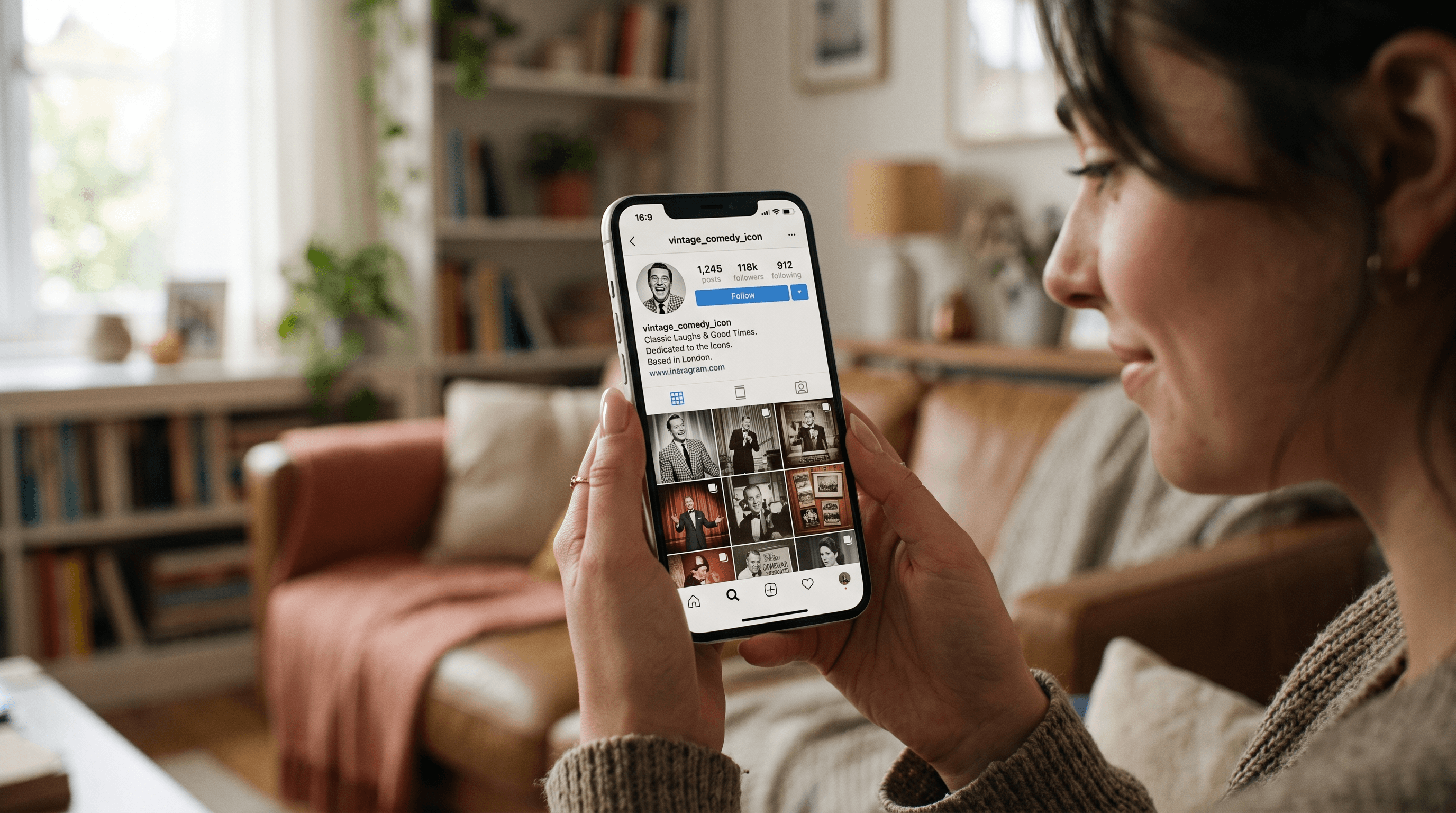
The comedian's Instagram account had sat untouched for twelve years after his death in 2014. Now his children are waking it up not to trade in nostalgia, but to draw a line the law has not yet drawn.
Zak, Zelda, and Cody Williams announced Tuesday that they are taking over their father's Instagram profile. The account will become what they call a "safe, trusted place" for authentic photos, videos, and memories, rather than leave the space open to AI-generated imitations of the late actor that have proliferated across the internet.
The move follows a year of escalating frustration for the family. Zelda Williams asked fans last year to stop sending her AI-generated videos of her father, writing that it was painful to watch "the legacies of real people be condensed down to 'this vaguely looks and sounds like them so that's enough.'" Now she and her brothers are taking direct control of the platform presence itself, turning a passive plea into an active defense.
"Making that space into one where people can find authentic clips and photos of him is the most proactive way I can think of to try and combat the rampant AI abuse," Zelda wrote, according to The Wrap.
The AI likeness problem is bigger than one family
The Williams family is not fighting an isolated battle. The technology to fabricate a convincing video of a deceased celebrity using their own voice and mannerisms is now widely available, and the platforms meant to police it are failing.
OpenAI's Sora video generation tool has been described as a hotbed for creating videos of copyrighted characters and celebrities, despite stated guardrails against exactly that use. xAI's Grok continues to generate sexualized deepfakes of famous women, Wired reported. ByteDance's Seedance model recently struck an agreement with the Motion Picture Association after users exploited its lax restrictions to generate scenes featuring Hollywood stars without permission.
Bad actors have weaponized these tools beyond reputation damage. Scammers have used AI-generated likenesses of Taylor Swift, Rihanna, and other celebrities to push fraudulent schemes on TikTok, tricking fans into believing their favorite stars were endorsing products or investments.
A ghost in the machine
The broader question the Williams family's move raises has no easy answer: what happens to a person's digital presence after they die, when AI can make that presence appear alive?
Robin Williams' Instagram account was a memorial by neglect -- frozen in time, showing the last posts of a living person. Reviving it as an active account flips the script. Instead of leaving a vacuum that AI-generated impostors could fill, the family is occupying the space with authentic content. The account will carry real clips and real photos, making it harder for generated fakes to claim the same authority.
It is a pragmatic solution, not a legal one. Current laws around digital likeness rights vary wildly by jurisdiction, and most were written before generative AI could produce a convincing video from a text prompt. The Williams family is resorting to digital territory control because the legal frameworks have not caught up.
A precedent for the posthumous internet
Other families of deceased celebrities are watching closely. The market for unauthorized AI-generated content featuring dead icons -- from musicians to actors to comedians -- has grown rapidly, and the tools to create it are only getting cheaper and more accessible. The Williams family's approach of fighting fire with authenticity rather than litigation could become a template.
Zelda, Zak, and Cody Williams say they intend to use the account to share their father's "unique talent and humor with the world." The irony is not lost on them: they are reviving a social media page to fight a technology that could already make that page unnecessary, by generating content the deceased never created.
It is a strange kind of digital curation -- one where the curator's job is not to preserve the past, but to protect it from a present that can manufacture a convincing version of it.
Sources
- The Verge: Robin Williams' Instagram account brought back to fight AI abuse
- The Wrap (via The Verge): Zelda Williams' statement on the account revival and AI abuse
- Wired: Report on Grok continuing to generate sexualized deepfakes of famous women
- OpenAI Sora: Platform policies and reported guardrail failures for celebrity content
- ByteDance Seedance: MPA agreement following lax AI guardrails on Hollywood likenesses