Tencent's Gander Gives AI Two Brains: Chat and Work
The Two-Brain Design: Why It Matters
Every AI assistant on the market today makes you choose. You can have the chatty, pleasant conversationalist that sounds human but struggles to execute tasks reliably. Or you can have the capable workhorse that gets things done but forces you to wait, rephrase, or repeat yourself when you interrupt it.
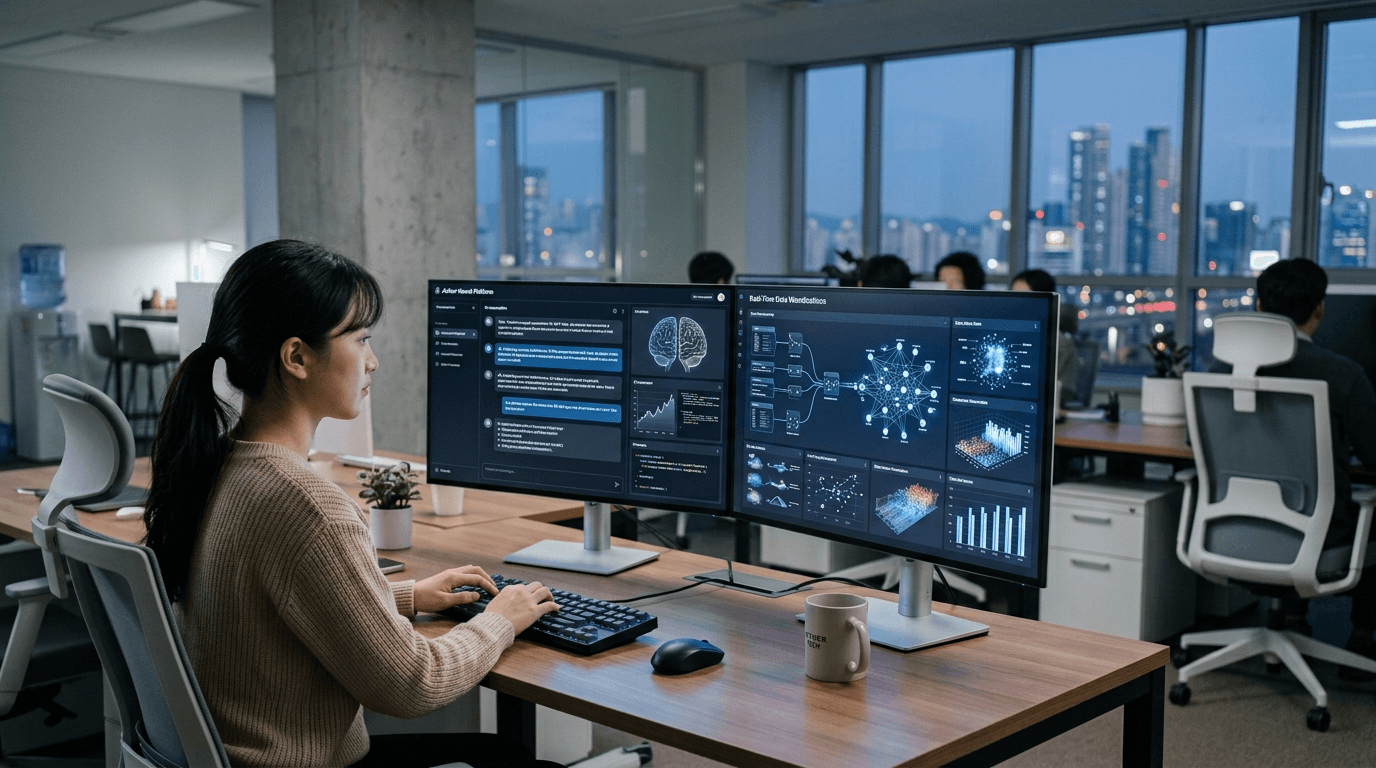
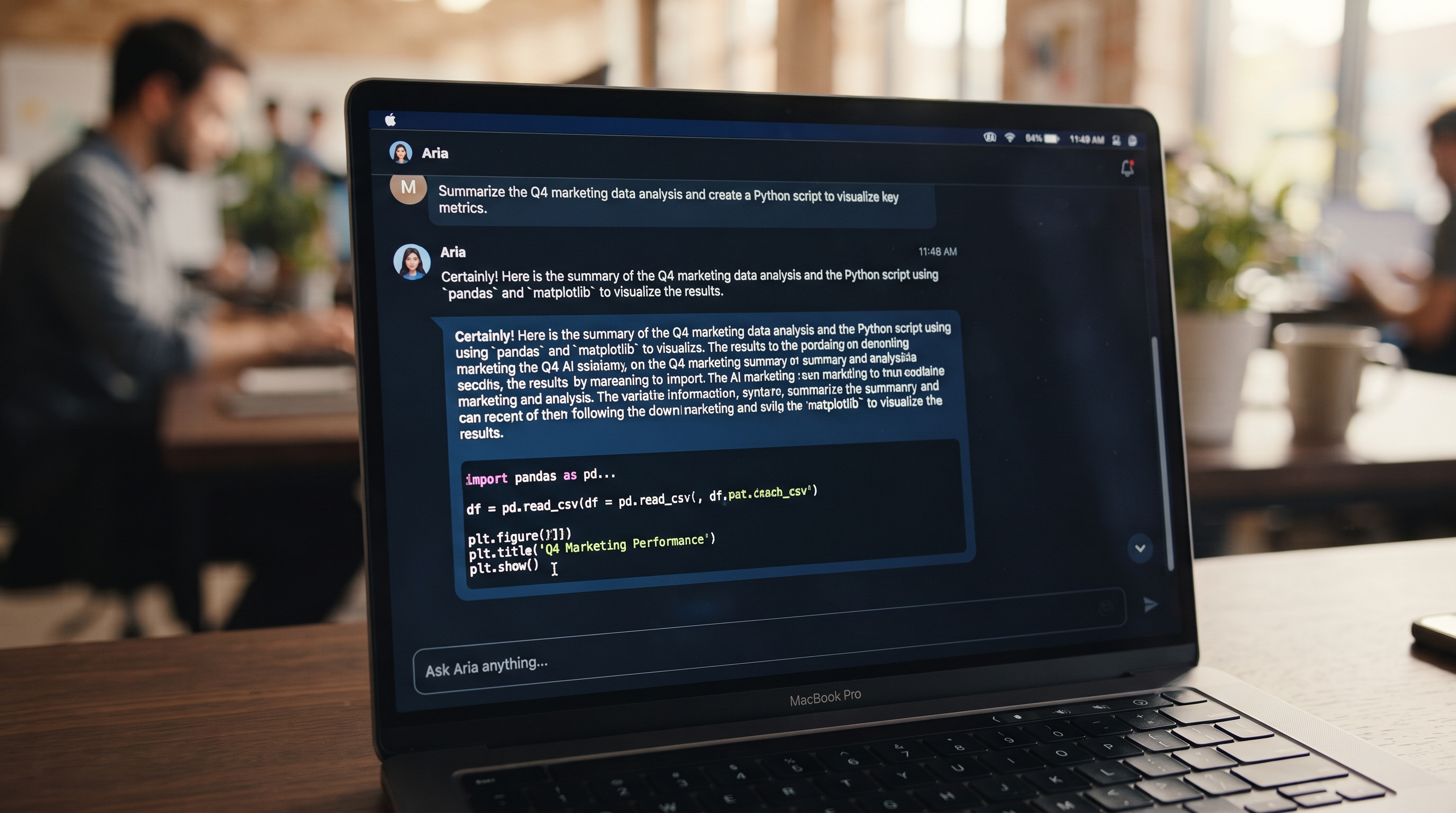
Tencent's new Gander model rejects that choice. The Chinese tech giant released a multimodal assistant built on a genuinely novel architecture: a "cerebellum" that keeps the conversation flowing, paired with an independent, swappable "brain" that handles discrete tasks like file search, code writing, or data processing in the background.
The result is an AI that keeps talking while it works. Users can interrupt mid-explanation, change the task entirely, or ask follow-up questions without derailing the entire session.
Concrete Benchmarks: Interruption vs. Accuracy
The design choice shows up in the numbers. In internal benchmarks, Gander interrupted users in just 8 percent of test cases, less than any comparable assistant. Its rivals interrupt far more frequently because their unified architectures cannot separate conversational flow from task execution.
But there is a trade-off. Gander trailed on task accuracy. The dual-brain design, while more polite, introduces coordination overhead between the cerebellum and the brain. A conversation that feels natural may sacrifice some precision in task execution.
This is the hidden insight: the industry has been optimizing AI assistants for task completion as the primary metric. Gander suggests users might care more about conversational naturalness than benchmark scores. What makes an AI feel useful is not identical to what makes it score well.
What Gander Does, Specifically
Gander processes speech, images, and text simultaneously. It can:
- Maintain a conversation while searching files in the background
- Accept mid-conversation task changes without restarting the session
- Switch between different "brains" for different types of work (code vs. data vs. creative)
- Interrupt only when genuinely necessary, not as a side effect of how its architecture works
Tencent is positioning Gander as a general-purpose productivity assistant aimed at knowledge workers who need an AI that does not force them to choose between responsiveness and capability.
The Skeptical Take
Gander's task accuracy gap is real and worth watching. A polite assistant that gets things wrong 20 percent more often than a less polite one is not necessarily a net win. The cerebellum-brain split adds architectural complexity, and Tencent has not published third-party benchmarks to validate its claims.
There is also the broader context. Tencent is a Chinese company with deep ties to the state's surveillance infrastructure. Any AI assistant that can search your files, read your documents, and maintain persistent conversations raises obvious privacy questions. Doubly so when the company behind it operates under China's cybersecurity and data localization laws.
Still, Gander's architecture is a genuine innovation in a space where most releases are incremental improvements on the same Transformer-based template. If the accuracy gap can be closed, the cerebellum-brain split could become a standard design pattern for conversational AI.